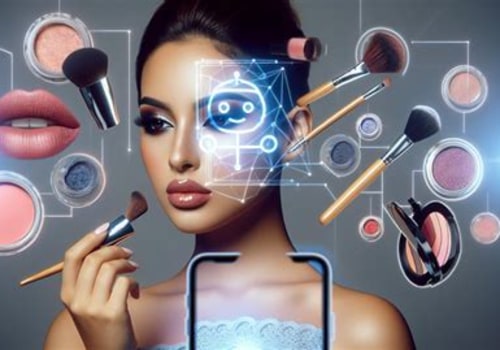
In the ever-evolving landscape of digital marketing for beauty brands, understanding the unique dynamics of this industry is crucial for success. Beauty brands are not just selling products; they are selling an experience, a lifestyle, and a promise of transformation. This makes it imperative for these brands to adopt innovative online marketing strategies that resonate with their target audience. With consumers increasingly turning to digital platforms for beauty advice, product reviews, and purchasing decisions, the role of digital marketing has never been more significant. At the heart of effective beauty brand strategies lies content marketing, which serves as a powerful tool to engage and educate potential customers.
By creating high-quality, relevant content that speaks directly to the needs and desires of their audience, beauty brands can build trust and foster loyalty. Whether through blog posts, social media updates, or video tutorials, content marketing allows brands to showcase their expertise while also highlighting the benefits of their products in a relatable manner. Moreover, the visual nature of the beauty industry lends itself well to digital platforms. Brands can leverage stunning imagery and engaging storytelling to captivate their audience's attention. As consumers seek authenticity and connection in their online interactions, beauty brands that prioritise content marketing are better positioned to stand out in a crowded marketplace. By creating high-quality, relevant content that speaks directly to the needs and desires of their audience, beauty brands can build trust and foster loyalty. Whether through blog posts, social media updates, or video tutorials, content marketing allows brands to showcase their expertise while also highlighting the benefits of their products in a relatable manner. Moreover, the visual nature of the beauty industry lends itself well to digital platforms. Brands can leverage stunning imagery and engaging storytelling to captivate their audience's attention. As consumers seek authenticity and connection in their online interactions, beauty brands that prioritise content marketing are better positioned to stand out in a crowded marketplace.
This introductory exploration sets the stage for a deeper understanding of how content marketing not only complements but enhances overall digital marketing efforts for beauty brands.
The Importance of Content Marketing in the Beauty Industry
In the competitive landscape of digital marketing for beauty brands, content marketing emerges as a pivotal strategy that can significantly influence a brand's success. By creating valuable, relevant content, beauty brands can establish a strong connection with their audience, fostering brand loyalty and trust.Content marketing
serves multiple purposes in the beauty industry, primarily enhancing brand awareness. Through engaging blog posts, informative videos, and visually appealing social media content, brands can showcase their products and values, reaching potential customers who may not have been aware of them before. This visibility is crucial in a market saturated with options.Moreover, content marketing facilitates customer engagement.By providing educational content such as tutorials, skincare tips, and product reviews, beauty brands can interact with their audience on a deeper level. This not only helps in building a community around the brand but also encourages customers to share their experiences, further amplifying the brand's reach.Another significant benefit of content marketing is its ability to drive sales. When beauty brands create compelling content that highlights the benefits and unique features of their products, they can effectively guide potential customers through the buying journey. For instance, a well-crafted blog post about the latest makeup trends can lead readers to explore and purchase featured products.To maximise the effectiveness of their content marketing strategy, beauty brands should focus on understanding their target audience.
This involves researching customer preferences and tailoring content to meet their needs. Additionally, leveraging various platforms—such as Instagram for visual storytelling or YouTube for in-depth tutorials—can enhance engagement and broaden reach.In conclusion, the role of content marketing in digital marketing for beauty brands cannot be overstated. It not only aids in building brand awareness and fostering customer relationships but also plays a crucial role in driving sales. By investing in a robust content strategy, beauty brands can position themselves as leaders in the industry while effectively connecting with their audience.
Key Content Marketing Strategies for Beauty Brands
In the competitive landscape of digital marketing for beauty brands, implementing effective content marketing strategies is essential for standing out and engaging with consumers.Here are some key strategies that beauty brands can adopt:
- Storytelling: Crafting a compelling narrative around your brand can create an emotional connection with your audience. Share the inspiration behind your products, the journey of your brand, or customer success stories. This not only humanises your brand but also fosters loyalty.
- Influencer Collaborations: Partnering with beauty influencers can amplify your reach and credibility. Influencers can create authentic content that showcases your products in real-life scenarios, making them more relatable to potential customers.
Choose influencers whose values align with your brand for maximum impact.
- User-Generated Content (UGC): Encouraging customers to share their experiences with your products can be a powerful marketing tool. UGC not only provides social proof but also engages your community. Create campaigns that incentivise customers to post photos or reviews, and feature this content on your platforms.
- Tutorials and How-To Guides: Educational content is highly valued in the beauty industry. Create video tutorials or blog posts that demonstrate how to use your products effectively.
This not only positions your brand as an authority but also helps consumers make informed purchasing decisions.
- Seasonal Campaigns: Aligning your content with seasonal trends or events can keep your brand relevant. Develop campaigns around holidays, fashion weeks, or beauty trends to capture the attention of consumers looking for timely solutions.
Creating Engaging Content for Beauty Audiences
In the competitive landscape of digital marketing for beauty brands, creating engaging content is essential for capturing the attention of potential customers and fostering loyalty among existing ones. Beauty brands must focus on delivering content that not only showcases their products but also resonates with the values and interests of their target audience.Understanding Your Audience
The first step in crafting engaging content is to understand your audience. Conducting thorough market research can help identify their preferences, pain points, and aspirations.This knowledge allows beauty brands to tailor their messaging and content formats accordingly.
Content Ideas for Beauty Brands
- Tutorials and How-To Guides: Create step-by-step guides that demonstrate how to use your products effectively. Video tutorials can be particularly engaging, as they provide visual learning opportunities.
- User-Generated Content: Encourage customers to share their experiences with your products on social media. Reposting this content not only builds community but also serves as authentic testimonials.
- Behind-the-Scenes Content: Share insights into your brand’s story, values, and production processes. This transparency can enhance trust and connection with your audience.
- Seasonal Trends and Tips: Keep your content relevant by aligning it with seasonal trends or events.
Offering tips on how to adapt beauty routines for different seasons can keep your audience engaged year-round.
Audience Engagement Strategies
To further enhance engagement, beauty brands should consider implementing interactive elements within their content. Polls, quizzes, and live Q&A sessions can encourage participation and create a two-way dialogue with the audience. Additionally, leveraging social media platforms to host giveaways or challenges can significantly boost interaction rates.Ultimately, the key to successful digital marketing for beauty brands lies in creating content that is not only informative but also entertaining and relatable. By prioritising audience engagement through innovative content strategies, beauty brands can cultivate a loyal customer base that feels connected to their brand story.Utilising Social Media for Content Distribution
In the realm of digital marketing for beauty brands, social media serves as a pivotal channel for content distribution.Platforms like Instagram and TikTok are not just social networks; they are vibrant ecosystems where beauty brands can engage with their audience in innovative ways.
Social Media Strategies for Beauty Brands
- Visual Storytelling: Beauty brands can leverage high-quality visuals to tell their brand story. This includes showcasing products through tutorials, before-and-after transformations, and user-generated content that highlights real customers.
- Influencer Collaborations: Partnering with beauty influencers can amplify reach. Influencers have established trust with their followers, making their endorsements more impactful.
- Interactive Content: Engaging users through polls, quizzes, and live Q&A sessions can foster a sense of community and encourage participation.
Content Distribution Channels
Utilising various content distribution channels is essential for maximising visibility. Here are some effective strategies:
- Instagram Stories and Reels: These features allow brands to share short, engaging content that captures attention quickly.
Reels, in particular, can go viral, reaching a broader audience.
- TikTok Challenges: Creating branded challenges encourages user participation and can lead to organic content creation that promotes the brand.
- YouTube Tutorials: Long-form video content on YouTube can provide in-depth product reviews and tutorials, establishing authority in the beauty space.
Enhancing Social Media Engagement
To truly harness the power of social media, beauty brands must focus on engagement. Responding to comments, sharing user-generated content, and creating a dialogue with followers can significantly enhance brand loyalty. Additionally, using analytics tools to track engagement metrics allows brands to refine their strategies based on what resonates most with their audience.In conclusion, by effectively utilising social media for content distribution, beauty brands can not only reach but also engage their target audience, making it an indispensable component of their digtial marketing for beauty brands strategy.
Measuring the Success of Content Marketing Efforts
Measuring the success of content marketing efforts is crucial for beauty brands aiming to optimise their digital marketing for beauty brands. By tracking specific metrics and key performance indicators (KPIs), brands can gain insights into what resonates with their audience and refine their strategies accordingly.Key Performance Indicators (KPIs)
- Engagement Rate: This includes likes, shares, comments, and overall interaction with content.
A high engagement rate indicates that the content is resonating with the target audience.
- Website Traffic: Monitoring the number of visitors to your website from content marketing efforts can help assess the effectiveness of your campaigns. Tools like Google Analytics can provide detailed insights.
- Conversion Rate: This measures how many visitors take a desired action, such as signing up for a newsletter or making a purchase. Tracking conversions helps determine the ROI of content marketing initiatives.
- Social Media Metrics: Analyzing follower growth, post reach, and click-through rates on social media platforms can provide valuable data on how well content is performing across different channels.
Utilising Analytics Tools
To effectively measure these KPIs, beauty brands should leverage various analytics tools. Google Analytics is a powerful resource for tracking website performance, while social media platforms offer their own analytics dashboards to monitor engagement and reach.
Additionally, tools like SEMrush or HubSpot can provide comprehensive insights into content performance and SEO effectiveness.By regularly reviewing these metrics, beauty brands can identify trends, understand customer preferences, and make informed decisions to enhance their digital marketing for beauty brands. Continuous improvement based on data-driven insights ensures that content marketing efforts remain relevant and impactful in a competitive landscape.
Challenges in Content Marketing for Beauty Brands
Content marketing for beauty brands is not without its challenges. As the beauty industry becomes increasingly saturated, brands must navigate a complex landscape to effectively engage their target audience. Here are some common obstacles faced by beauty brands in their content marketing efforts:- Intense Competition: With numerous brands vying for attention, standing out in a crowded market can be daunting.
Many beauty brands struggle to differentiate their messaging and offerings.
- Rapidly Changing Trends: The beauty industry is known for its fast-paced nature, with trends evolving almost overnight. Keeping content relevant and timely requires constant monitoring and adaptability.
- Authenticity and Trust: Consumers are increasingly sceptical of marketing messages. Beauty brands must work hard to build trust through authentic storytelling and transparent practices.
- Resource Constraints: Smaller beauty brands may lack the budget or manpower to produce high-quality content consistently, making it difficult to compete with larger players.
- Focus on Niche Markets: By identifying and targeting specific segments within the beauty industry, brands can create tailored content that resonates more deeply with their audience.
- Leverage User-Generated Content: Encouraging customers to share their experiences can provide authentic content that builds trust and community around the brand.
- Stay Ahead of Trends: Regularly researching industry trends and consumer preferences can help brands create timely content that captures attention and drives engagement.
- Invest in Quality Over Quantity: Rather than churning out a high volume of content, focusing on producing fewer pieces that are well-researched and visually appealing can yield better results.
Future Trends in Content Marketing for Beauty Brands
As the landscape of digital marketing for beauty brands continues to evolve, staying ahead of emerging trends in content marketing is crucial for success. Here are some key trends that beauty brands should consider:- Personalisation: Consumers increasingly expect tailored experiences.
Beauty brands can leverage data analytics to create personalised content that resonates with individual preferences, enhancing customer engagement and loyalty.
- Video Content: The popularity of video content is on the rise, particularly short-form videos on platforms like TikTok and Instagram Reels. Beauty brands can utilise tutorials, product demonstrations, and behind-the-scenes footage to connect with their audience in a dynamic way.
- User-Generated Content (UGC): Encouraging customers to share their experiences with products not only builds community but also serves as authentic marketing. Brands can create campaigns that incentivise UGC, showcasing real users and their results.
- Sustainability Messaging: As consumers become more environmentally conscious, beauty brands should incorporate sustainability into their content strategies. Highlighting eco-friendly practices and products can attract a growing demographic that values ethical consumption.
- Augmented Reality (AR): AR technology allows consumers to virtually try on products before purchasing.
Integrating AR into content marketing strategies can enhance the shopping experience and reduce return rates.
Conclusion: The Integral Role of Content Marketing in Digital Strategies for Beauty Brands
In conclusion, the role of content marketing in digital marketing for beauty brands cannot be overstated. As we have explored throughout this article, effective content marketing strategies are essential for engaging consumers, building brand loyalty, and driving sales in an increasingly competitive landscape.Beauty brands that prioritise content marketing can create a strong online presence by:- Establishing Authority: By producing high-quality, informative content, brands can position themselves as experts in the beauty industry, fostering trust among their audience.
- Enhancing Customer Engagement: Engaging content such as tutorials, product reviews, and behind-the-scenes looks can captivate audiences and encourage interaction across various platforms.
- Boosting SEO: Well-optimised content improves search engine rankings, making it easier for potential customers to discover beauty brands online.
- Driving Social Media Success: Shareable content can amplify a brand's reach on social media, attracting new followers and potential customers.
By understanding consumer needs and preferences, brands can tailor their content to resonate with their audience, ultimately leading to increased conversions and customer loyalty.As the beauty industry continues to evolve, those brands that embrace innovative content marketing techniques will not only survive but thrive in the digital age. The future of digital marketing for beauty brands lies in the ability to create meaningful connections through compelling content that speaks directly to consumers' desires and aspirations.