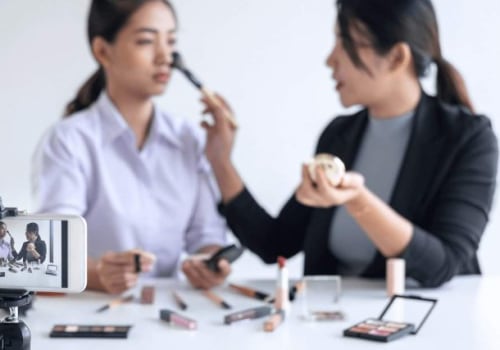
In the ever-evolving landscape of digital marketing for beauty brands, social media has emerged as a pivotal platform that shapes consumer perceptions and drives purchasing decisions. With billions of users actively engaging on platforms like Instagram, Facebook, and TikTok, beauty brands have a unique opportunity to connect with their target audience in a visually compelling and interactive manner, much like how digital cameras allow photographers to capture stunning visuals. The significance of social media in this sector cannot be overstated; it serves not only as a marketing tool but also as a community-building platform where brands can foster relationships with their customers.Social media allows beauty brands to showcase their products through stunning visuals, tutorials, and user-generated content, creating an immersive experience that traditional advertising methods often lack. This visual storytelling is crucial in an industry where aesthetics play a vital role in consumer choices. In the ever-evolving landscape of digital marketing for beauty brands, social media has emerged as a pivotal platform that shapes consumer perceptions and drives purchasing decisions. With billions of users actively engaging on platforms like Instagram, Facebook, and TikTok, beauty brands have a unique opportunity to connect with their target audience in a visually compelling and interactive manner, much like how digital cameras allow photographers to capture stunning visuals. The significance of social media in this sector cannot be overstated; it serves not only as a marketing tool but also as a community-building platform where brands can foster relationships with their customers.Social media allows beauty brands to showcase their products through stunning visuals, tutorials, and user-generated content, creating an immersive experience that traditional advertising methods often lack. This visual storytelling is crucial in an industry where aesthetics play a vital role in consumer choices. for beauty brands, social media has emerged as a pivotal platform that shapes consumer perceptions and drives purchasing decisions. With billions of users actively engaging on platforms like Instagram, Facebook, and TikTok, beauty brands have a unique opportunity to connect with their target audience in a visually compelling and interactive manner, much like how digital cameras allow photographers to capture stunning visuals. The significance of social media in this sector cannot be overstated; it serves not only as a marketing tool but also as a community-building platform where brands can foster relationships with their customers.Social media allows beauty brands to showcase their products through stunning visuals, tutorials, and user-generated content, creating an immersive experience that traditional advertising methods often lack. This visual storytelling is crucial in an industry where aesthetics play a vital role in consumer choices. In the ever-evolving landscape of digital marketing for beauty brands, social media has emerged as a pivotal platform that shapes consumer perceptions and drives purchasing decisions. With billions of users actively engaging on platforms like Instagram, Facebook, and TikTok, beauty brands have a unique opportunity to connect with their target audience in a visually compelling and interactive manner, much like how digital cameras allow photographers to capture stunning visuals. The significance of social media in this sector cannot be overstated; it serves not only as a marketing tool but also as a community-building platform where brands can foster relationships with their customers.Social media allows beauty brands to showcase their products through stunning visuals, tutorials, and user-generated content, creating an immersive experience that traditional advertising methods often lack. This visual storytelling is crucial in an industry where aesthetics play a vital role in consumer choices.
Moreover, the ability to engage directly with consumers through comments, messages, and live sessions enhances brand loyalty and trust, making social media an indispensable component of any comprehensive digital marketing strategy.Furthermore, the rise of influencer marketing has transformed how beauty brands approach their advertising efforts. Collaborating with influencers who resonate with their target demographic enables brands to reach wider audiences while leveraging the authenticity that comes from personal endorsements. As we delve deeper into the effective ways to harness social media advertising for beauty brands, it becomes clear that understanding its role is essential for crafting successful campaigns that not only attract attention but also convert followers into loyal customers.
Identifying Your Target Audience on Social Media
To effectively utilise social media advertising in digital marketing for beauty brands, it is crucial to first identify and understand your target audience. This process involves analysing various social media demographics and segmenting your audience based on their preferences, behaviours, and needs.Understanding Social Media Demographics
- Age: Different age groups engage with social media platforms differently.
For instance, younger audiences may prefer Instagram and TikTok, while older demographics might be more active on Facebook.
- Gender: Beauty brands often target specific genders. Understanding the gender distribution on platforms can help tailor content that resonates with your audience.
- Location: Geographic targeting allows beauty brands to cater to local trends and preferences, making campaigns more relevant.
- Interests: Identifying interests related to beauty, such as skincare routines or makeup tutorials, can help in creating engaging content that attracts the right audience.
Audience Segmentation Strategies
Once you have gathered demographic data, the next step is to segment your audience. Here are some effective strategies:
- Behavioural Segmentation: Analyse how users interact with your brand online. This includes their purchase history, engagement with previous ads, and content preferences.
- Psycho-graphic Segmentation: Understand the lifestyle, values, and attitudes of your audience.
This can help in crafting messages that resonate on a deeper level.
- Custom Audiences: Use tools provided by social media platforms to create custom audiences based on website visitors or email lists. This allows for targeted advertising to those already familiar with your brand.
Choosing the Right Social Media Platforms for Beauty Advertising
When it comes to digital marketing for beauty brands, selecting the right social media platform is crucial for maximising audience engagement and achieving campaign goals. Each platform offers unique features and demographics that can significantly impact the effectiveness of your advertising efforts.Instagram: Visual Storytelling
Instagram is a powerhouse for beauty brands, primarily due to its visual nature.With over a billion active users, it allows brands to showcase their products through stunning imagery and videos. The platform's features, such as Stories, Reels, and IGTV, enable brands to create engaging content that resonates with their audience. Additionally, Instagram's shopping capabilities allow users to purchase products directly through posts, streamlining the customer journey.
Facebook: Community Building
Facebook remains a vital platform for beauty brands looking to build a community around their products. With its extensive user base, brands can target specific demographics through detailed ad targeting options.Facebook Groups also provide an opportunity for brands to foster discussions and engage with loyal customers, enhancing brand loyalty.
TikTok: Trend-Driven Engagement
TikTok has rapidly gained popularity among younger audiences, making it an essential platform for beauty brands targeting Gen Z and millennials. The platform thrives on short, engaging videos that often go viral. Brands can leverage trending challenges or collaborate with influencers to create authentic content that resonates with users. TikTok's algorithm also favours creative content, allowing even smaller brands to gain visibility.YouTube: In-Depth Tutorials
YouTube is ideal for beauty brands focusing on educational content.With its long-form video format, brands can create in-depth tutorials, product reviews, and behind-the-scenes content that informs and engages viewers. Collaborating with beauty influencers on YouTube can also enhance credibility and reach a wider audience.In conclusion, choosing the right social media platform for your beauty advertising campaigns is essential for effective digital marketing for beauty brands. By understanding the unique advantages of each platform, marketers can tailor their strategies to engage their target audience effectively and drive conversions.
Creating Compelling Content for Social Media Ads
In the competitive landscape of digital marketing for beauty brands, creating compelling content for social media ads is essential to capture the attention of potential customers. Visual storytelling plays a pivotal role in this process, allowing brands to convey their message in an engaging and memorable way.To effectively utilise social media advertising, beauty brands should consider the following strategies:- High-Quality Visuals: Invest in professional photography and videography that showcases products in their best light.
High-resolution images and well-edited videos can significantly enhance the appeal of your ads.
- Authentic User-Generated Content: Encourage customers to share their experiences with your products. Reposting user-generated content not only builds community but also adds authenticity to your brand's narrative.
- Storytelling Through Video: Use short video clips to tell a story about your brand or product. This could include tutorials, behind-the-scenes looks, or customer testimonials that resonate with your audience.
- Interactive Formats: Incorporate polls, quizzes, or shoppable posts that encourage engagement. Interactive content can increase user participation and make your ads more memorable.
- Seasonal and Trend-Based Content: Align your advertising campaigns with current trends or seasonal events.
This relevance can make your content more appealing and timely for consumers.
Utilising Influencer Marketing in Social Media Advertising
In the realm of digital marketing for beauty brands, influencer marketing has emerged as a powerful tool for enhancing social media advertising efforts. By partnering with influencers who resonate with their target audience, beauty brands can significantly amplify their reach and engagement.Identifying the Right Influencers
- Beauty brands should focus on influencers whose values align with their own.
This ensures authenticity in the partnership, which is crucial for building trust with potential customers.
- Micro-influencers, those with smaller but highly engaged followings, can often yield better results than larger influencers due to their perceived authenticity and closer connection with their audience.
Creating Authentic Content
When collaborating with influencers, it’s essential to allow them creative freedom. Influencers know their audience best and can create content that feels genuine. This could include:
- Product reviews that showcase the benefits and unique features of the beauty products.
- Tutorials demonstrating how to use the products effectively, which can drive engagement and encourage purchases.
- Behind-the-scenes content that gives followers an insider look at the brand, fostering a deeper connection.
Leveraging User-Generated Content
Encouraging influencers to share user-generated content (UGC) can further enhance a brand's visibility. When influencers post about their experiences using a product, it not only showcases the product in action but also encourages their followers to share their own experiences, creating a ripple effect of engagement.
Measuring Success
To ensure that influencer partnerships are effective, beauty brands should track key performance indicators (KPIs) such as engagement rates, reach, and conversion rates.
This data will help brands refine their strategies and identify which partnerships yield the best results.In conclusion, by strategically leveraging influencer marketing within their social media advertising campaigns, beauty brands can effectively connect with wider audiences, foster brand loyalty, and ultimately drive sales.
Implementing Targeted Advertising Strategies
In the competitive landscape of digital marketing for beauty brands, implementing targeted advertising strategies on social media is crucial for maximising ad performance and return on investment (ROI). By leveraging advanced targeting techniques, beauty brands can reach their ideal audience more effectively.Utilising Demographic Targeting
One of the most straightforward methods is demographic targeting. This involves tailoring ads based on age, gender, location, and even income level. For instance, a luxury skincare brand may focus its ads on women aged 30-50 in affluent areas, ensuring that the message resonates with potential customers who are likely to invest in premium products.Interest-Based Targeting
Another effective technique is interest-based targeting.Social media platforms allow brands to target users based on their interests and behaviours. Beauty brands can create campaigns aimed at users who follow beauty influencers, engage with makeup tutorials, or show interest in skincare products. This approach not only increases engagement but also enhances the likelihood of conversion.
Retargeting Campaigns
Retargeting is a powerful strategy that allows brands to reconnect with users who have previously interacted with their website or social media profiles. By serving ads to these warm leads, beauty brands can remind potential customers of products they viewed or added to their cart, significantly increasing the chances of completing a purchase.Lookalike Audiences
Creating lookalike audiences is another innovative way to expand reach.By analysing existing customer data, beauty brands can identify common characteristics and behaviours among their best customers. Social media platforms can then find new users who share similar traits, allowing brands to tap into a broader audience that is likely to be interested in their offerings.
A/B Testing for Optimisation
Finally, A/B testing different ad creatives and targeting options is essential for optimising campaigns. By experimenting with various headlines, images, and calls-to-action, beauty brands can determine which combinations yield the best results. This data-driven approach ensures that advertising efforts are continually refined for maximum effectiveness.In conclusion, by employing these targeted advertising techniques, beauty brands can significantly enhance their digital marketing strategies, ensuring that their social media ads not only reach the right audience but also drive meaningful engagement and sales.Measuring Success: Key Metrics for Social Media Advertising in Beauty Marketing
In the realm of digital marketing for beauty brands, measuring the success of social media advertising is crucial for optimising campaigns and ensuring a strong return on investment (ROI).Here are some key metrics that beauty brands should focus on:
- Engagement Rate: This metric indicates how well your audience interacts with your content. It includes likes, shares, comments, and saves. A high engagement rate suggests that your content resonates with your audience, making it a vital indicator of campaign effectiveness.
- Click-Through Rate (CTR): The CTR measures the percentage of users who click on your ad after seeing it. A higher CTR indicates that your ad is compelling and relevant to your target audience, which is essential for driving traffic to your website or landing page.
- Conversion Rate: This metric tracks the percentage of users who complete a desired action after clicking on your ad, such as making a purchase or signing up for a newsletter.
For beauty brands, a strong conversion rate signifies that your advertising strategy effectively drives sales.
- Return on Ad Spend (ROAS): ROAS measures the revenue generated for every pound spent on advertising. This metric helps beauty brands assess the profitability of their campaigns and make informed decisions about future investments in social media advertising.
- Impressions and Reach: While impressions indicate how many times your ad was displayed, reach refers to the number of unique users who saw it. Understanding these metrics helps beauty brands gauge brand visibility and awareness in their target market.
Adapting to Trends: Staying Relevant in the Beauty Industry through Social Media
In the fast-paced world of beauty, staying relevant is crucial for brands aiming to thrive in digital marketing for beauty brands.Social media platforms are not just channels for promotion; they are dynamic environments where trends emerge and evolve rapidly. To effectively adapt to these trends, beauty brands must employ a multifaceted approach.
1.Monitor Industry Trends
- Regularly analyse social media analytics to identify trending topics and hashtags within the beauty community.
- Follow influential beauty bloggers and industry leaders to gain insights into emerging trends.
- Utilise tools like Google Trends or BuzzSumo to track what content resonates with audiences.
2.Engage with Your Audience
- Encourage user-generated content by creating challenges or campaigns that invite customers to share their experiences with your products.
- Respond promptly to comments and messages, fostering a sense of community and loyalty among followers.
- Conduct polls or surveys on social media to gather feedback on potential new products or marketing strategies.
3.Leverage Influencer Collaborations
- Partner with influencers who align with your brand values and have a genuine connection with their audience.
- Create co-branded content that showcases both the influencer's personality and your products, making it more relatable.
- Monitor the performance of these collaborations to refine future partnerships and strategies.
4.Experiment with New Formats
- Utilise features like Instagram Reels or TikTok videos to create engaging, short-form content that captures attention quickly.
- Host live sessions for product launches or Q&A sessions, allowing real-time interaction with your audience.
- Incorporate augmented reality (AR) filters that allow users to virtually try on products, enhancing the shopping experience.
Common Mistakes to Avoid in Social Media Advertising for Beauty Brands
In the competitive landscape of digital marketing for beauty brands, social media advertising can be a double-edged sword. While it offers immense potential for brand visibility and customer engagement, there are several common mistakes that beauty brands often make, which can hinder their success.Neglecting Audience Research
One of the most significant pitfalls is failing to understand the target audience.Beauty brands must invest time in researching their ideal customers, including their preferences, behaviours, and pain points. Without this knowledge, campaigns may miss the mark, leading to wasted ad spend and low engagement rates.
Overlooking Platform Specificity
Each social media platform has its unique audience and content style. A common mistake is using a one-size-fits-all approach across platforms. For instance, what works on Instagram may not resonate on Facebook or TikTok.Brands should tailor their content to fit the nuances of each platform to maximise impact.
Ignoring Visual Quality
In the beauty industry, visuals are paramount. Poor-quality images or videos can tarnish a brand's reputation. Brands should ensure that all visual content is high-quality and aligns with their overall aesthetic. Investing in professional photography or videography can significantly enhance the effectiveness of social media ads.Failing to Engage with Followers
Social media is not just about broadcasting messages; it’s about building relationships.Many beauty brands make the mistake of not engaging with their audience through comments, messages, or user-generated content. Actively responding to followers fosters community and loyalty, which can lead to increased sales.
Neglecting Analytics
Finally, ignoring analytics is a critical error. Beauty brands should regularly review their ad performance metrics to understand what works and what doesn’t. This data-driven approach allows for continuous improvement and optimisation of advertising strategies.By avoiding these common mistakes and implementing best practices in social media advertising, beauty brands can enhance their digital marketing efforts and achieve greater success in reaching their target audience.Conclusion: Maximising Impact through Strategic Social Media Advertising in Beauty Marketing
In conclusion, the landscape of digital marketing for beauty brands is continually evolving, and the strategic use of social media advertising is paramount for success.Throughout this article, we have explored various effective methods that beauty brands can employ to enhance their visibility and engagement in a crowded marketplace.Firstly, understanding the target audience is crucial. By leveraging data analytics and insights from social media platforms, brands can tailor their advertising strategies to resonate with specific demographics. This targeted approach not only increases the likelihood of conversion but also fosters a deeper connection with potential customers.Moreover, the importance of visually appealing content cannot be overstated. Beauty brands thrive on aesthetics; therefore, high-quality images and videos that showcase products in use can significantly enhance engagement rates.
Incorporating user-generated content also adds authenticity and encourages community involvement.Additionally, utilising influencer partnerships can amplify brand reach. Collaborating with influencers who align with the brand's values allows for organic promotion and can lead to increased trust among consumers. This strategy not only broadens audience reach but also enhances credibility.Finally, continuous monitoring and optimisation of advertising campaigns are essential. By analysing performance metrics, beauty brands can refine their strategies in real-time, ensuring that they remain relevant and effective in their marketing efforts.In summary, by implementing these strategic approaches to social media advertising, beauty brands can maximise their impact in the digital marketing realm, ultimately driving growth and fostering lasting relationships with their customers.