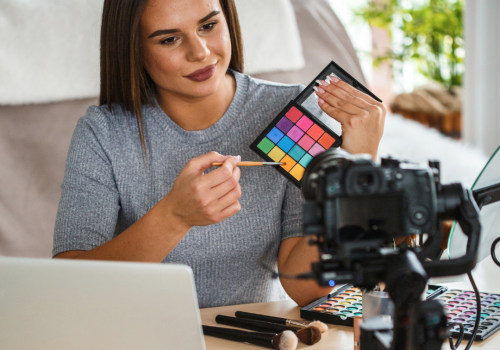
In the ever-evolving landscape of the beauty industry, digital marketing for beauty brands has emerged as a crucial component for success. With consumers increasingly turning to online platforms for product discovery and purchasing, beauty brands must adapt their marketing strategies to meet these changing behaviours. The digital realm offers unparalleled opportunities for engagement, allowing brands to connect with their audience in more personal and meaningful ways. However, navigating this complex environment is not without its challenges. Many beauty brands fall into common pitfalls that can hinder their growth and visibility.
Understanding the nuances of beauty industry marketing is essential for avoiding these mistakes. From failing to leverage social media effectively to neglecting the importance of a cohesive brand identity online, these missteps can significantly impact a brand's ability to resonate with its target audience. As we delve deeper into the topic of online marketing strategies tailored for beauty brands, it becomes evident that a well-rounded approach is necessary. This includes not only utilising various digital channels but also ensuring that each strategy aligns with the brand's core values and speaks directly to its consumers' needs. By recognising and addressing these common mistakes, beauty brands can enhance their digital presence and foster lasting relationships with their customers.
Neglecting Target Audience Research
In the realm of digital marketing for beauty brands, understanding your target audience is paramount.Failing to conduct thorough target audience research can lead to misguided strategies that miss the mark entirely. Without a clear grasp of who your customers are, what they desire, and how they behave online, your marketing efforts may not resonate, resulting in wasted resources and missed opportunities.One common mistake is neglecting to develop detailed customer personas. These personas should encapsulate demographic information, purchasing behaviours, preferences, and pain points. By creating these profiles, beauty brands can tailor their messaging and product offerings to meet the specific needs of their audience.
For instance, a brand targeting millennials may focus on sustainability and social media engagement, while a brand aimed at older consumers might emphasise quality and efficacy.Additionally, many brands overlook the importance of market research. This involves analysing trends, competitor strategies, and consumer feedback. Ignoring this step can lead to significant miscalculations in product launches or promotional campaigns. For example, if a beauty brand fails to recognise a growing trend towards clean beauty products, it risks falling behind competitors who are already catering to this demand.To avoid these pitfalls, beauty brands should:
- Invest in market research: Use surveys, focus groups, and social media analytics to gather insights about your audience.
- Create detailed customer personas: Develop profiles that reflect the diversity of your target market.
- Continuously update your understanding: Consumer preferences can shift rapidly; stay informed about changes in your audience's interests.
By prioritising this research, brands can create more impactful campaigns that resonate with their customers and drive sales.
Overlooking SEO Best Practices
When it comes to digital marketing for beauty brands, one of the most critical aspects that often gets overlooked is search engine optimisation (SEO). Many beauty brands make common mistakes that can severely impact their online visibility and traffic. Understanding these pitfalls is essential for crafting a successful digital marketing strategy.Ignoring Keyword Research
- Many brands fail to conduct thorough keyword research, which is vital for identifying the terms potential customers are using to search for beauty products. Without this insight, content may not align with user intent, leading to missed opportunities.
- Utilising overly broad or highly competitive keywords can also dilute efforts.
Instead, focus on long-tail keywords that are specific to your niche, such as "organic skincare for sensitive skin" or "vegan makeup tutorials." This approach can help attract a more targeted audience.
- Another common mistake is neglecting on-page SEO elements like title tags, meta descriptions, and header tags. These components play a crucial role in how search engines interpret your content.
- Ensure that each page is optimised with relevant keywords and compelling descriptions that encourage clicks. For instance, a well-crafted meta description can significantly improve click-through rates from search engine results pages (SERPs).
- With an increasing number of consumers shopping for beauty products on mobile devices, failing to optimise your website for mobile can lead to a poor user experience and high bounce rates.
- Make sure your site is responsive and loads quickly on all devices. Google prioritises mobile-friendly sites in its rankings, so this is not just a user experience issue but an SEO one as well.
- Finally, many beauty brands overlook the importance of monitoring their SEO performance through analytics tools.
Regularly reviewing metrics such as organic traffic, bounce rates, and conversion rates can provide valuable insights into what’s working and what needs improvement.
- This data-driven approach allows brands to adjust their strategies accordingly, ensuring they remain competitive in the ever-evolving digital landscape.
Ignoring Social Media Engagement
In the realm of digital marketing for beauty brands, one of the most critical missteps is ignoring social media engagement. Social media platforms are not just channels for broadcasting promotional content; they are vibrant communities where brands can connect with their audience on a personal level. Failing to engage with followers can lead to missed opportunities and a disconnect between the brand and its consumers.Understanding the Importance of Engagement
Engagement is more than just likes and shares; it encompasses comments, direct messages, and interactions that foster a sense of community. Beauty brands that actively engage with their audience can:
- Build brand loyalty by creating a two-way conversation.
- Gain valuable insights into customer preferences and trends.
- Enhance their brand image through authentic interactions.
Common Social Media Mistakes to Avoid
To effectively leverage social media, beauty brands should steer clear of the following pitfalls:
- Neglecting Customer Feedback: Ignoring comments or failing to respond to inquiries can alienate potential customers.
Acknowledging feedback, whether positive or negative, shows that the brand values its audience.
- Overly Promotional Content: While promoting products is essential, an excessive focus on sales can turn followers away. Instead, brands should aim for a balanced mix of promotional and engaging content.
- Lack of Consistency: Inconsistent posting can lead to decreased visibility and engagement. Establishing a regular posting schedule helps maintain audience interest and keeps the brand top-of-mind.
- Ignoring Analytics: Failing to track engagement metrics means missing out on understanding what resonates with the audience. Regularly reviewing analytics allows brands to refine their strategies based on real data.
By avoiding common mistakes and prioritising interaction, brands can cultivate a loyal community that not only supports their products but also advocates for their values.
Failing to Create Quality Content
In the competitive landscape of digital marketing for beauty brands, the significance of producing quality content cannot be overstated. Many brands make the mistake of prioritising quantity over quality, leading to content that fails to engage or resonate with their target audience. This can result in a lack of brand loyalty and diminished online presence.Content marketing
is not just about filling up space on a website or social media; it’s about creating valuable, informative, and aesthetically pleasing content that reflects the brand's identity. Poorly executed content strategies can lead to:- Decreased Engagement: Low-quality content often fails to capture attention, resulting in lower engagement rates across platforms.
- Negative Brand Perception: Inconsistent or poorly crafted messages can damage a brand's reputation, making it seem unprofessional or out of touch.
- Poor SEO Performance: Search engines favour high-quality, relevant content.
If your content lacks depth or is riddled with errors, it may not rank well in search results.
- Understanding Your Audience: Conduct thorough research to identify what your audience values and tailor your content accordingly.
- Investing in Quality Production: High-resolution images, well-edited videos, and professionally written articles can significantly enhance the perceived value of your content.
- Consistency is Key: Regularly updating your content keeps your audience engaged and encourages them to return for more.
Not Leveraging Influencer Partnerships Effectively
In the realm of digital marketing for beauty brands, influencer partnerships can be a powerful tool for reaching new audiences and enhancing brand credibility. However, many brands make critical mistakes that can undermine these collaborations.Understanding how to leverage these partnerships effectively is essential for maximising their potential.
Common Mistakes in Influencer Partnerships
- Choosing the Wrong Influencer: One of the most significant errors is partnering with influencers who do not align with your brand values or target audience. It’s crucial to select influencers whose followers mirror your ideal customer demographic.
- Lack of Clear Objectives: Without defined goals, it’s challenging to measure the success of an influencer campaign. Brands should establish what they aim to achieve, whether it’s increasing brand awareness, driving sales, or growing social media engagement.
- Ignoring Authenticity: Audiences can quickly spot inauthentic endorsements. Brands should encourage influencers to share genuine experiences with their products, as this fosters trust and relatability.
- Neglecting Engagement Metrics: Focusing solely on follower count can be misleading.
It’s essential to consider engagement rates, as they provide a better indication of an influencer's ability to connect with their audience.
- Overlooking Long-Term Relationships: Many brands treat influencer partnerships as one-off transactions. Building long-term relationships can lead to more authentic promotions and a deeper connection with the audience.
Effective Collaboration Strategies
To avoid these pitfalls, beauty brands should implement effective collaboration strategies:- Conduct Thorough Research: Take the time to research potential influencers thoroughly. Look at their previous collaborations, audience demographics, and engagement levels.
- Create Collaborative Content: Involve influencers in the content creation process. This not only enhances authenticity but also allows for creative input that resonates with their audience.
- Monitor and Adapt: Regularly assess the performance of influencer campaigns.
Use analytics tools to track engagement and sales metrics, allowing for adjustments in strategy as needed.
Underestimating Email Marketing Potential
In the realm of digital marketing for beauty brands, one of the most significant yet often overlooked strategies is email marketing. Many beauty brands underestimate its potential, leading to missed opportunities for customer engagement and retention. A well-executed email campaign can not only drive sales but also foster a loyal customer base.One common mistake is failing to segment the email list effectively. Sending the same message to all subscribers can result in low engagement rates.Instead, beauty brands should consider segmenting their audience based on factors such as purchase history, preferences, and demographics. This allows for more personalized content that resonates with each group.
Neglecting Mobile Optimisation
Another critical error is neglecting mobile optimisation. With a significant portion of users accessing emails on mobile devices, it’s essential that emails are designed to be mobile-friendly. If an email is difficult to read or navigate on a smartphone, potential customers may quickly lose interest.Ignoring Analytics
Additionally, many brands fail to leverage analytics to refine their email marketing strategies.Tracking metrics such as open rates, click-through rates, and conversion rates can provide valuable insights into what works and what doesn’t. By analysing this data, beauty brands can continuously improve their campaigns and better meet the needs of their audience.
Overlooking Customer Retention Strategies
Finally, a common pitfall is focusing solely on acquisition rather than customer retention strategies. While attracting new customers is important, retaining existing ones is often more cost-effective. Implementing loyalty programmes or exclusive offers for repeat customers can significantly enhance retention rates.In conclusion, by recognising the importance of email marketing and avoiding these common mistakes, beauty brands can unlock its full potential and create lasting relationships with their customers.Neglecting Analytics and Performance Tracking
In the fast-paced world of digital marketing for beauty brands, one of the most critical yet often overlooked aspects is the importance of analytics and performance tracking.Without a robust system in place to monitor and evaluate your marketing efforts, you risk making uninformed decisions that could hinder your brand's growth.
Understanding Analytics
- Analytics for beauty brands provides insights into customer behaviour, preferences, and engagement levels. By neglecting these metrics, brands may miss out on understanding what resonates with their audience.
- Utilising tools like Google Analytics or social media insights can help track key performance indicators (KPIs) such as website traffic, conversion rates, and social media engagement. Utilising tools like Google Analytics or social media insights can help track key performance indicators (KPIs) such as website traffic, conversion rates, and social media engagement.
Common Performance Tracking Mistakes
- Ignoring Data Trends: Failing to analyse trends over time can lead to missed opportunities. For instance, if a particular product is gaining traction, brands should consider amplifying their marketing efforts around it.
- Focusing on Vanity Metrics: While likes and shares are important, they do not always translate to sales. Brands should focus on metrics that directly impact revenue, such as return on ad spend (ROAS) and customer acquisition cost (CAC).
- Not Setting Clear Goals: Without specific objectives, it becomes challenging to measure success.
Establishing clear goals allows brands to align their marketing strategies with desired outcomes.
The Importance of Data-Driven Decisions
Making data-driven decisions is essential for optimising marketing strategies. By regularly reviewing analytics, beauty brands can adapt their campaigns based on real-time feedback. This not only enhances customer satisfaction but also maximises return on investment (ROI).In conclusion, neglecting analytics and performance tracking can severely limit the potential of digital marketing for beauty brands. By prioritising these elements, brands can ensure they are making informed decisions that drive growth and foster long-term success.
Failing to Adapt to Trends and Changes in Consumer Behaviour
In the fast-paced world of digital marketing for beauty brands, one of the most critical mistakes is failing to adapt to emerging trends and shifts in consumer behaviour.The beauty industry is constantly evolving, influenced by factors such as social media, technological advancements, and changing consumer preferences. Brands that do not stay attuned to these changes risk becoming obsolete.For instance, the rise of sustainability has transformed consumer expectations. Today’s consumers are increasingly prioritising eco-friendly products and ethical practices. Beauty brands that ignore this trend may find themselves losing market share to competitors who embrace sustainable practices and communicate their values effectively.
Understanding Consumer Behaviour Changes
Consumer behaviour is not static; it evolves based on cultural shifts, economic conditions, and technological innovations.To remain relevant, beauty brands must actively monitor these changes. This can be achieved through:
- Market Research: Regularly conducting surveys and focus groups to gather insights on consumer preferences.
- Social Listening: Monitoring social media platforms to understand what consumers are saying about products and brands.
- Analytics Tools: Utilising data analytics to track customer interactions and identify emerging trends.
By staying informed and flexible, brands can not only meet current consumer demands but also anticipate future trends, ensuring long-term growth and relevance in a competitive market.
Conclusion: Key Takeaways for Successful Digital Marketing in Beauty Brands
In conclusion, successfully navigating the landscape of digital marketing for beauty brands requires a strategic approach that avoids common pitfalls. By understanding and implementing the key takeaways discussed, beauty brands can enhance their online presence and connect more effectively with their target audience. Firstly, it is crucial to establish a clear brand identity. This involves not only defining your brand's voice and aesthetic but also ensuring consistency across all digital platforms. A well-defined identity helps in building trust and recognition among consumers. Secondly, leveraging data analytics is essential.By analysing customer behaviour and engagement metrics, brands can tailor their marketing strategies to meet the specific needs and preferences of their audience. Ignoring this data can lead to missed opportunities and ineffective campaigns. Moreover, engaging with your audience through social media is vital. Brands should avoid the mistake of treating social platforms merely as promotional tools. Instead, they should foster genuine interactions, respond to feedback, and create a community around their products. Additionally, investing in high-quality content is non-negotiable.
Whether it’s through blog posts, videos, or tutorials, providing valuable content not only showcases expertise but also enhances SEO efforts, driving organic traffic to your site. Lastly, staying updated with industry trends and adapting to changes in consumer behaviour is imperative. The beauty industry is fast-paced, and brands that fail to evolve risk becoming obsolete. By focusing on these key areas—brand identity, data analytics, audience engagement, quality content, and adaptability—beauty brands can avoid common mistakes and thrive in the competitive realm of digital marketing.