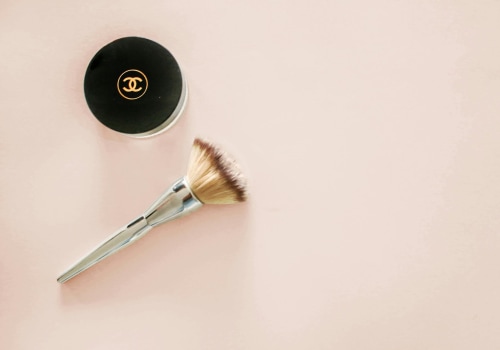
In today's digital age, the importance of a strong online presence for beauty brands cannot be overstated. With consumers increasingly turning to the internet for product research and purchasing decisions, establishing a robust digital footprint is essential for brands aiming to thrive in a competitive market. An effective online presence not only enhances visibility but also fosters trust and engagement with potential customers, making it a critical component of any successful digital marketing for beauty brands. Additionally, brands should prioritize educating their audience about various treatments, including Understanding the Common Side Effects of Aesthetic, to build credibility. Beauty brands that invest in their online marketing strategies can leverage various platforms to showcase their products, share customer testimonials, and create engaging content that resonates with their target audience. . Additionally, brands should prioritize educating their audience about various treatments, including Understanding the Common Side Effects of Aesthetic, to build credibility. Beauty brands that invest in their online marketing strategies can leverage various platforms to showcase their products, share customer testimonials, and create engaging content that resonates with their target audience.
This multifaceted approach allows brands to connect with consumers on a personal level, ultimately driving sales and building brand loyalty. Furthermore, a well-executed online presence enables beauty brands to tap into valuable data analytics, providing insights into consumer behaviour and preferences that can inform future marketing efforts. As we delve deeper into the significance of digital marketing for beauty brands, it becomes clear that a strong online presence is not merely an option but a necessity. Brands that embrace this reality are better positioned to adapt to changing market dynamics and consumer expectations, ensuring they remain relevant and competitive in an ever-evolving landscape.
Understanding Digital Marketing for Beauty Brands
In the competitive landscape of the beauty industry, digital marketing for beauty brands has become an essential component for success. This approach encompasses a variety of strategies and techniques tailored to engage consumers effectively and drive sales.Understanding digital marketing
involves recognising the unique characteristics of beauty consumers, who often seek authenticity, community, and inspiration.To cater to these needs, beauty brands can implement several key strategies:
- Social Media Marketing: Platforms like Instagram, TikTok, and Pinterest are vital for beauty brands. They allow brands to showcase products through visually appealing content, tutorials, and user-generated posts. Engaging with followers through comments and direct messages fosters a sense of community.
- Influencer Collaborations: Partnering with beauty influencers can significantly enhance brand visibility. Influencers provide authentic endorsements that resonate with their followers, making them powerful allies in reaching target audiences.
- Email Marketing: Building an email list enables brands to communicate directly with customers.
Sending personalised content, exclusive offers, and product launches can drive engagement and repeat purchases.
- Content Marketing: Creating valuable content such as blog posts, tutorials, and skincare tips not only positions a brand as an authority but also improves SEO. This strategy helps attract organic traffic to the brand’s website.
- Search Engine Optimisation (SEO): Optimising website content for search engines ensures that potential customers can easily find products online. Using relevant keywords related to beauty trends and products is crucial for visibility.
Building a Strong Brand Identity Online
In the competitive landscape of the beauty industry, establishing a strong brand identity online is crucial for driving sales and fostering customer loyalty.A well-defined brand identity not only differentiates a beauty brand from its competitors but also creates an emotional connection with consumers, influencing their purchasing decisions.To build a compelling online brand identity, beauty brands should focus on the following strategies:
- Consistent Visual Elements: Utilising a cohesive colour palette, typography, and imagery across all digital platforms helps reinforce brand recognition. This consistency ensures that consumers can easily identify the brand, whether they encounter it on social media, a website, or in advertising.
- Authentic Storytelling: Sharing the brand's story, values, and mission can resonate deeply with consumers. By communicating what the brand stands for—be it sustainability, inclusivity, or innovation—beauty brands can attract like-minded customers who are more likely to engage and make purchases.
- Engaging Content: Creating high-quality content that educates and entertains can enhance a beauty brand's image. Tutorials, product demonstrations, and user-generated content not only showcase products but also build community and trust among consumers.
- Active Social Media Presence: Leveraging platforms like Instagram and TikTok allows beauty brands to interact directly with their audience.
Regular engagement through comments, live sessions, and polls can foster a sense of belonging and loyalty among followers.
Leveraging Social Media Platforms
In the competitive landscape of beauty brands, leveraging social media platforms is essential for driving engagement and boosting sales.Social media not only allows brands to connect with their audience but also serves as a powerful tool for showcasing products and building a loyal community.
- Influencer Collaborations: Partnering with beauty influencers can significantly amplify a brand's reach. Influencers have established trust with their followers, making their endorsements more impactful.
- User-Generated Content: Encouraging customers to share their experiences with products not only fosters community but also provides authentic content that resonates with potential buyers.
- Engagement through Stories: Using Instagram Stories to showcase behind-the-scenes content or exclusive promotions can create a sense of urgency and excitement around new launches.
Facebook allows for targeted advertising, enabling brands to reach specific demographics effectively. TikTok, on the other hand, offers a unique opportunity for creativity through short-form videos, where trends can quickly go viral, leading to increased brand awareness.Ultimately, a well-executed social media strategy not only enhances brand visibility but also drives sales by creating an interactive platform where customers feel valued and engaged. By consistently delivering quality content and fostering genuine connections, beauty brands can harness the full potential of social media to boost their sales.
The Role of Influencer Marketing in Boosting Sales
In the competitive landscape of beauty brands, influencer marketing has emerged as a powerful tool to enhance brand visibility and credibility. Collaborating with influencers allows beauty brands to tap into established audiences, leveraging the trust and rapport these influencers have built with their followers.Influencer partnerships
can take various forms, from sponsored posts and product reviews to long-term collaborations that create a narrative around the brand.These partnerships not only showcase products in an authentic context but also provide a platform for storytelling that resonates with potential customers.
- Authenticity: Influencers often share personal experiences with products, making their endorsements feel genuine. This authenticity can significantly impact purchasing decisions, as consumers are more likely to trust recommendations from individuals they admire.
- Targeted Reach: By selecting influencers whose audiences align with their target demographic, beauty brands can ensure that their marketing efforts reach the right people. This targeted approach increases the likelihood of conversion and boosts sales.
- Engagement: Influencers typically have high engagement rates, meaning their followers actively interact with their content. This engagement can lead to increased brand awareness and interest, driving traffic to the brand's website or social media pages.
Brands that effectively utilise influencer marketing often see a significant uptick in sales following campaigns. For instance, when an influencer shares a discount code or a limited-time offer, it creates a sense of urgency among followers, prompting immediate purchases.Moreover, influencer marketing can enhance a brand's social proof. When potential customers see their favourite influencers using and endorsing a product, it reinforces the brand's credibility and desirability. This social validation is crucial in the beauty industry, where consumers are often overwhelmed by choices and seek reassurance before making a purchase.In conclusion, leveraging influencer marketing is not just about increasing visibility; it’s about building relationships and trust within the beauty community.
By strategically partnering with the right influencers, beauty brands can significantly boost their sales while fostering a loyal customer base.
Utilising Content Marketing to Educate and Engage Customers
In the competitive landscape of beauty brands, content marketing serves as a powerful tool to educate and engage customers. By creating informative and engaging content, brands can not only showcase their products but also build a loyal customer base that trusts their expertise.Educational content
is particularly effective in the beauty industry, where consumers often seek guidance on product usage, ingredients, and benefits. Brands can leverage various formats to deliver this information:- Blog Posts: Writing detailed articles about skincare routines, makeup application techniques, or ingredient benefits can position a brand as an authority in the beauty space.
- Video Tutorials: Engaging video content demonstrating product usage or makeup looks can captivate audiences and encourage them to try the products themselves.
- Infographics: Visual representations of complex information, such as skincare regimens or ingredient breakdowns, can simplify learning and make it more appealing.
- User-Generated Content: Encouraging customers to share their experiences with products through reviews or social media posts fosters community and trust.
- Interactive Quizzes: Creating quizzes that help customers find the right products for their needs can enhance engagement and provide personalised recommendations.
- Email Newsletters: Regularly sending curated content, tips, and exclusive offers keeps your brand top-of-mind for consumers.
By providing value through informative and engaging content, beauty brands can significantly boost their online presence and drive sales.
Search Engine Optimisation (SEO) for Beauty Brands
In the competitive landscape of the beauty industry, Search Engine Optimisation (SEO) is a crucial strategy for brands looking to enhance their online visibility and drive sales. By implementing effective SEO strategies, beauty brands can ensure that their products are easily discoverable by potential customers searching for beauty solutions online.One of the foundational elements of SEO is keyword optimisation. Beauty brands should conduct thorough keyword research to identify terms and phrases that their target audience is using. This includes not only generic terms like "skincare" or "makeup" but also long-tail keywords such as "best moisturiser for dry skin" or "vegan lipstick options." Incorporating these keywords naturally into product descriptions, blog posts, and website content can significantly improve search rankings.Another effective technique is to optimise on-page elements.This includes:
- Title Tags: Ensure that each page has a unique title that includes relevant keywords.
- Meta Descriptions: Write compelling meta descriptions that summarise the page content and encourage clicks.
- Header Tags: Use header tags (H1, H2, H3) to structure content and include keywords where appropriate.
- Image Alt Text: Optimise images with descriptive alt text to improve visibility in image searches.
Email Marketing: Nurturing Customer Relationships
Email marketing is a powerful tool for beauty brands looking to nurture customer relationships and drive repeat purchases.By leveraging targeted email campaigns, brands can engage with their audience on a personal level, fostering loyalty and encouraging customers to return for more.One effective strategy is to segment your email list based on customer behaviour and preferences. This allows beauty brands to send tailored content that resonates with specific groups, whether they are loyal customers, first-time buyers, or those who have shown interest in particular products. For instance, a brand could send exclusive offers on skincare products to customers who have previously purchased similar items.Additionally, incorporating personalised recommendations in email campaigns can significantly enhance the customer experience. By analysing past purchases and browsing history, beauty brands can suggest products that align with individual preferences, making it easier for customers to discover new items they are likely to love.Another key aspect of successful email marketing is maintaining consistent communication.
Regular newsletters can keep customers informed about new product launches, upcoming sales, and beauty tips. This not only keeps your brand top-of-mind but also positions you as a trusted source of information in the beauty industry.Moreover, implementing customer retention strategies such as loyalty programmes or exclusive discounts for repeat purchases can further incentivise customers to engage with your brand. For example, offering a discount on their next purchase after signing up for your newsletter can encourage first-time buyers to return.In conclusion, by utilising effective email marketing strategies, beauty brands can build strong relationships with their customers, leading to increased loyalty and higher sales. The key lies in personalisation, consistent communication, and strategic incentives that resonate with your audience.
Measuring Success: Analytics and KPIs for Beauty Brands
In the competitive landscape of the beauty industry, measuring success through analytics and key performance indicators (KPIs) is essential for understanding the effectiveness of digital marketing for beauty brands.By leveraging data-driven insights, brands can refine their strategies, enhance customer engagement, and ultimately drive sales.
Understanding Key Metrics
To effectively measure the success of digital marketing efforts, beauty brands should focus on several critical metrics:- Website Traffic: Monitoring the number of visitors to your website can provide insights into the effectiveness of your marketing campaigns. Tools like Google Analytics can help track where your traffic is coming from and which channels are most effective. Monitoring the number of visitors to your website can provide insights into the effectiveness of your marketing campaigns. Tools like Google Analytics can help track where your traffic is coming from and which channels are most effective.
- Conversion Rate: This metric indicates the percentage of visitors who complete a desired action, such as making a purchase or signing up for a newsletter. A higher conversion rate often reflects successful marketing strategies.
- Customer Acquisition Cost (CAC): Understanding how much it costs to acquire a new customer is crucial. This metric helps brands assess the efficiency of their marketing spend.
- Return on Investment (ROI): Calculating ROI allows beauty brands to evaluate the profitability of their marketing campaigns.
A positive ROI indicates that the marketing efforts are yielding financial returns.
The Role of KPIs
Establishing clear KPIs tailored to specific goals is vital for tracking progress. Common KPIs in the beauty industry include:- Social Media Engagement: Likes, shares, comments, and follower growth on platforms like Instagram and Facebook can indicate brand popularity and customer loyalty.
- Email Open and Click-Through Rates: These metrics help assess the effectiveness of email marketing campaigns in engaging customers and driving traffic to your website.
- Customer Retention Rate: This KPI measures how well a brand retains its customers over time, reflecting customer satisfaction and loyalty.
'Frequently Asked Questions' About Digital Marketing for Beauty Brands
In the rapidly evolving landscape of digital marketing for beauty brands, many businesses have questions about how to effectively establish and maintain a strong online presence. Here are some frequently asked questions that can help clarify common concerns:- What are the key components of digital marketing for beauty brands?
Digital marketing encompasses various strategies, including social media marketing, search engine optimisation (SEO), content marketing, email marketing, and influencer partnerships.Each component plays a crucial role in enhancing visibility and engagement.
- How can social media impact my beauty brand?
Social media platforms like Instagram and TikTok are vital for beauty brands. They allow for direct interaction with customers, showcase products through visually appealing content, and facilitate user-generated content that can enhance brand credibility. - What role does SEO play in boosting online sales?
SEO helps improve your website's visibility on search engines. By optimising your site with relevant keywords related to your beauty products, you can attract more organic traffic, leading to increased sales opportunities. - How important is influencer marketing?
Influencer marketing can significantly amplify your brand's reach. Collaborating with influencers who resonate with your target audience can lead to authentic endorsements and drive traffic to your online store.
'Conclusion: The Path Forward for Beauty Brands in the Digital Age'
In conclusion, the journey of beauty brands in the digital age is both exciting and essential.A strong online presence is no longer a luxury but a necessity for brands aiming to thrive in a competitive market. The benefits of digital marketing for beauty brands are manifold, encompassing enhanced visibility, improved customer engagement, and ultimately, increased sales.To summarise the key points discussed:
- Enhanced Visibility: A robust online presence ensures that beauty brands can reach a wider audience through various digital channels, including social media, search engines, and email marketing.
- Customer Engagement: Engaging content and interactive platforms allow brands to connect with their customers on a personal level, fostering loyalty and trust.
- Data-Driven Insights: Digital marketing provides valuable analytics that help brands understand consumer behaviour and preferences, enabling them to tailor their offerings effectively.
- Cost-Effectiveness: Compared to traditional marketing methods, digital marketing often offers a more cost-effective solution for reaching target audiences.
By prioritising a strong online presence, beauty brands can navigate the complexities of the market and secure their place in consumers' hearts and minds.