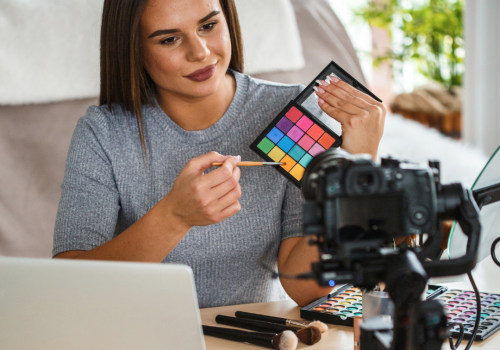
In the rapidly evolving landscape of the beauty industry, digital marketing for beauty brandsdigital marketing for beauty brands has emerged as a crucial strategy for engaging consumers and driving sales. With the rise of social media platforms and e-commerce, beauty brands are now able to reach their target audiences more effectively than ever before. This shift has not only transformed how products are marketed but has also redefined consumer expectations, making it essential for brands to adopt innovative marketing strategies that resonate with their audience. The significance of beauty industry marketing strategies cannot be overstated. As consumers increasingly turn to online platforms for product discovery and purchasing, brands must leverage digital channels to create compelling narratives around their products.
This involves utilising a mix of content marketing, influencer partnerships, and targeted advertising to build brand awareness and foster customer loyalty. By understanding the unique preferences and behaviours of their target demographic, beauty brands can tailor their messaging to create a more personalised shopping experience. Moreover, the integration of technology in online marketing beauty products has opened up new avenues for engagement. From virtual try-ons to augmented reality experiences, these tools not only enhance the shopping experience but also allow consumers to interact with products in a way that was previously unimaginable. As we delve deeper into the various facets of digital marketing for beauty brands, it becomes clear that embracing these innovations is not just an option but a necessity for staying competitive in this dynamic market.
The Rise of Virtual and Augmented Reality in Marketing
The advent of virtual reality (VR)virtual reality (VR) and augmented reality (AR) technologies has revolutionised the landscape of marketing, providing brands with innovative ways to engage consumers.As these technologies have evolved, they have transitioned from niche applications to mainstream marketing tools, particularly in sectors like beauty where visual appeal is paramount.
Virtual reality
immerses users in a completely digital environment, allowing them to experience products in a way that traditional media cannot replicate. For beauty brands, this means creating virtual showrooms where customers can explore a range of products without leaving their homes. For instance, brands can develop VR experiences that simulate a visit to a high-end salon or spa, showcasing their services and products in an engaging manner.On the other hand, augmented reality enhances the real world by overlaying digital information onto it. This technology has gained traction through mobile applications that allow users to try on makeup virtually.Brands like L'Oréal and Sephora have successfully implemented AR features in their apps, enabling customers to see how different shades of lipstick or eyeshadow look on their own faces before making a purchase.The integration of VR and AR into marketing strategies is not just a trend; it reflects a significant shift in consumer behaviour. Today's consumers seek interactive and personalised experiences that resonate with their individual preferences. According to recent studies, campaigns that incorporate VR and AR can increase engagement rates significantly compared to traditional advertising methods.As we look towards the future, the potential for VR and AR in advertising continues to expand. With advancements in technology and increasing accessibility, beauty brands are poised to leverage these tools to create more immersive and memorable customer experiences.
This evolution not only enhances brand loyalty but also drives sales by making the shopping experience more enjoyable and efficient.
Enhancing Customer Experience with Virtual Try-Ons
In the competitive landscape of digital marketing for beauty brands, leveraging virtual try-on technology can significantly enhance the customer experience. This innovative approach allows consumers to experiment with various products, such as lipsticks, eyeshadows, and foundations, without the need for physical application. By integrating augmented reality (AR)) into their marketing strategies, beauty brands can create immersive experiences that not only engage customers but also drive sales.AR makeup apps
have gained popularity as they provide a seamless way for users to visualise how different products will look on their skin tones and facial features. These applications often use facial recognition technology to accurately map the user’s face, allowing for realistic simulations of makeup application.This not only boosts consumer confidence in their purchasing decisions but also reduces the likelihood of returns due to dissatisfaction with product results.Moreover, implementing virtual try-ons can lead to increased engagement on social media platforms. Brands can encourage users to share their virtual looks, creating a buzz around new product launches and fostering a sense of community among beauty enthusiasts. This user-generated content serves as authentic testimonials that can attract new customers and enhance brand loyalty.To maximise the effectiveness of virtual try-ons, beauty brands should consider the following strategies:
- Personalisation: Tailor the virtual experience based on user preferences and past purchases to create a more relevant shopping journey.
- Integration with E-commerce: Ensure that users can easily purchase products directly from the virtual try-on interface, streamlining the path from discovery to purchase.
- Feedback Mechanisms: Incorporate options for users to provide feedback on their experience, which can help refine the technology and improve customer satisfaction.
Creating Immersive Brand Experiences through AR and VR
In the competitive landscape of digital marketing for beauty brands, creating immersive brand experiences through Augmented Reality (AR) and Virtual Reality (VR) has emerged as a powerful strategy.These technologies allow brands to engage customers in ways that traditional marketing cannot, fostering deeper connections and enhancing brand loyalty.One of the most effective applications of AR in beauty marketing is the virtual try-on feature. This allows customers to see how products like lipsticks, eyeshadows, or skincare items will look on their own faces without needing to visit a store. Brands such as L'Oréal and Sephora have successfully implemented this technology, enabling users to experiment with different looks from the comfort of their homes. This not only enhances the shopping experience but also reduces the likelihood of returns, as customers can make more informed decisions.Similarly, VR can transport users into a fully immersive environment where they can explore a brand's story or product line.
For instance, a beauty brand could create a virtual salon experience where users can interact with stylists and learn about new products in an engaging way. This type of interactive marketing strategy not only captivates the audience but also encourages them to share their experiences on social media, amplifying brand visibility.Moreover, integrating AR and VR into marketing campaigns can significantly enhance customer engagement. By offering unique experiences—such as virtual beauty tutorials or behind-the-scenes looks at product creation—brands can create memorable interactions that resonate with consumers. This approach not only drives sales but also cultivates a community around the brand, as customers feel more connected and invested in their favourite products.In conclusion, leveraging AR and VR technologies in digital marketing for beauty brands presents an opportunity to create immersive brand experiences that engage customers on a deeper level.
As these technologies continue to evolve, beauty brands that embrace them will likely stand out in a crowded market, fostering loyalty and driving growth.
Case Studies: Successful Implementations of AR and VR in Beauty Marketing
In recent years, several beauty brands have successfully harnessed the power of augmented reality (AR) and virtual reality (VR) to enhance their marketing strategies, creating immersive experiences that engage consumers and drive sales. Here are some notable case studies that illustrate the effectiveness of these technologies in the beauty industry.L'Oréal's AR Try-On Experience
L'Oréal has been at the forefront of integrating AR into its marketing campaigns. The brand launched the ModiFace app, which allows users to virtually try on makeup products using their smartphone cameras. This innovative approach not only enhances customer engagement but also significantly reduces the likelihood of returns, as customers can see how products look on them before making a purchase.The app has reportedly increased conversion rates by up to 30% for certain product lines.
Sephora's Virtual Artist
Sephora's Virtual Artist tool is another prime example of successful AR implementation. This feature enables customers to try on various makeup looks in real-time through their mobile devices. By allowing users to experiment with different shades and styles without physical application, Sephora has seen a marked increase in customer satisfaction and loyalty. The tool has also driven significant traffic to their online store, with many users purchasing products they tried virtually.Estée Lauder's VR Experience
Estée Lauder took a different approach by incorporating virtual reality into its marketing strategy through immersive experiences at events and retail locations.Their VR campaign allowed customers to explore the brand's history and product benefits in a captivating way. This not only educated consumers about the brand but also created memorable experiences that fostered emotional connections, leading to increased brand loyalty.These case studies highlight how AR and VR can transform traditional beauty marketing into interactive experiences that resonate with consumers. By leveraging these technologies, beauty brands can not only enhance customer engagement but also drive sales and build lasting relationships with their audience.
Challenges and Considerations for Beauty Brands Using AR and VR
As beauty brands increasingly turn to augmented reality (AR) and virtual reality (VR) to enhance their digital marketing strategies, they must navigate a range of challenges and considerations that can impact the effectiveness of these technologies.Technical Limitations
One of the primary challenges is the technical limitations associated with AR and VR. Not all consumers have access to the latest devices capable of supporting high-quality AR and VR experiences.This can lead to a fragmented user experience, where only a subset of the target audience can fully engage with the content. Brands must consider how to create inclusive experiences that cater to various device capabilities.
User Experience
The user experience is another critical factor. If AR or VR applications are not intuitive or user-friendly, they can frustrate potential customers rather than engage them. Beauty brands need to invest in thorough testing and user feedback to ensure that their applications are seamless and enjoyable.Content Creation Costs
The cost of developing high-quality AR and VR content can be significant.Brands must weigh the potential return on investment against the initial outlay for technology and content creation. This includes not only financial costs but also time and resources dedicated to training staff and maintaining the technology.
Privacy Concerns
With the rise of AR and VR, privacy concerns also come into play. Consumers may be hesitant to share personal data required for these technologies, such as facial recognition for virtual try-ons. Beauty brands must be transparent about data usage and ensure compliance with privacy regulations to build trust with their audience.Market Saturation
As more brands adopt AR and VR, there is a risk of market saturation.To stand out, beauty brands need to offer unique experiences that differentiate them from competitors. This requires continuous innovation and creativity in how they implement these technologies in their digital marketing.In conclusion, while AR and VR present exciting opportunities for beauty brands in their digital marketing efforts, addressing these challenges is crucial for successful implementation. By focusing on user experience, managing costs, ensuring privacy, and innovating continuously, brands can effectively leverage these technologies to enhance customer engagement.
Future Trends: The Next Frontier of Digital Marketing for Beauty Brands
As we look towards the future, digital marketing for beauty brands is poised to undergo significant transformations driven by advancements in augmented reality (AR) and virtual reality (VR). These technologies are not just trends; they represent the next frontier in how beauty brands engage with consumers.Emerging Technologies in the Beauty Industry
- Personalised Experiences: Future AR applications will allow consumers to try on products virtually, tailoring recommendations based on individual preferences and skin tones.
This level of personalisation can enhance customer satisfaction and drive sales.
- Immersive Brand Storytelling: VR can transport users into a brand's world, offering immersive experiences that showcase product benefits and brand values. This storytelling approach can create emotional connections that traditional marketing methods struggle to achieve.
- Social Integration: As social media continues to evolve, integrating AR and VR features into platforms like Instagram and TikTok will enable beauty brands to reach wider audiences. Users will be able to share their virtual try-ons, creating organic buzz around products.
The Next Steps for AR and VR in Marketing
To fully harness the potential of AR and VR, beauty brands must consider the following:
- Investing in Technology: Brands should allocate resources towards developing high-quality AR and VR experiences that are user-friendly and accessible across devices.
- Data-Driven Insights: Leveraging data analytics will be crucial in understanding consumer behaviour and preferences, allowing brands to refine their AR and VR offerings continuously.
- Sustainability Focus: As consumers become more environmentally conscious, integrating sustainable practices into AR and VR campaigns can enhance brand reputation and appeal.
FAQs about Virtual and Augmented Reality in Beauty Marketing
As beauty brands increasingly adopt augmented reality (AR) and virtual reality (VR) technologies in their digital marketing strategies, several common questions arise.Here are some frequently asked questions that can help clarify the role of these technologies in beauty marketing.
What is virtual try-on technology?
Virtual try-on technology allows customers to see how a product, such as makeup or hair colour, would look on them without physically applying it. This is achieved through AR applications that overlay digital images onto the user's live video feed, providing a realistic representation of the product.How can AR enhance customer engagement?
AR can significantly enhance customer engagement by offering interactive experiences. For instance, beauty brands can create apps that allow users to try on different looks, share their experiences on social media, and receive instant feedback from friends or influencers. This not only increases brand visibility but also fosters a sense of community among users.Are there any downsides to using AR and VR in beauty marketing?
While AR and VR offer numerous benefits, there are potential downsides.Some users may experience technical issues, such as poor image quality or lagging performance. Additionally, not all customers may feel comfortable using these technologies, which could limit their effectiveness. Brands must ensure that their AR and VR solutions are user-friendly and accessible to a broad audience.
How do virtual try-ons impact purchasing decisions?
Studies have shown that virtual try-ons can positively influence purchasing decisions. By allowing customers to visualise products on themselves, brands can reduce the uncertainty often associated with online shopping.This leads to higher conversion rates and lower return rates, as customers are more likely to be satisfied with their purchases.
What are some successful examples of AR in beauty marketing?
- L'Oréal: The brand's AR app allows users to try on various makeup products virtually before making a purchase.
- Sephora: Their Virtual Artist feature enables customers to experiment with different looks using their mobile devices.
- Maybelline: The brand has implemented AR technology in its advertising campaigns, allowing users to engage with products in innovative ways.
Conclusion: Embracing Innovation in Beauty Marketing Strategies
In conclusion, the integration of augmented reality (AR) and virtual reality (VR) into digital marketing for beauty brands represents a transformative shift in how brands engage with consumers. As we have explored, these technologies not only enhance the customer experience but also provide innovative ways to showcase products and build brand loyalty.The ability to offer virtual try-ons allows customers to experiment with different looks without the need for physical products, significantly reducing the barriers to purchase. This not only increases consumer confidence but also drives sales conversions, as potential buyers can see how products will look on them in real-time.Moreover, immersive experiences created through VR can transport users into a brand's world, fostering a deeper emotional connection. By creating engaging narratives around their products, beauty brands can differentiate themselves in a crowded market and resonate more profoundly with their target audience.As beauty brands continue to navigate the digital landscape, embracing these innovative technologies is no longer optional but essential.The following points summarise the key benefits of incorporating AR and VR into beauty marketing strategies:
- Enhanced Customer Engagement: Interactive experiences keep consumers interested and invested in the brand.
- Increased Conversion Rates: Virtual try-ons lead to higher purchase likelihood as customers feel more assured about their choices.
- Brand Differentiation: Unique AR and VR experiences set brands apart from competitors.
- Data Collection: These technologies provide valuable insights into consumer preferences and behaviours.