In the ever-evolving landscape of digital marketing for beauty brands, understanding your target audience is not just beneficial; it is essential. The beauty industry is saturated with products and services vying for consumer attention, making it imperative for brands to identify and engage with the right audience. Knowing who your customers are allows you to tailor your marketing strategies effectively, ensuring that your message resonates with those most likely to purchase your products. Identifying a brand's target audience involves delving into demographics, psychographics, and consumer behaviour. For beauty brands, this means understanding not only the age and gender of potential customers but also their lifestyle choices, preferences, and values.
This insight enables brands to create personalised marketing campaigns that speak directly to their audience's needs and desires. When beauty brands successfully engage their target audience, they foster loyalty and build lasting relationships that go beyond a single transaction. Moreover, the significance of a well-defined target audience extends to optimising marketing budgets. By focusing on specific segments, beauty brands can allocate resources more efficiently, minimising waste on broad campaigns that may not yield results. In a digital world where consumers are bombarded with information, crafting targeted messages that cut through the noise is crucial for capturing attention and driving conversions.
Defining Your Target Audience
Identifying your target audience is a crucial step in digital marketing for beauty brands.Understanding who your customers are allows you to tailor your marketing strategies effectively. This process can be broken down into two main components: demographics and psychographics.
Demographics
Demographic analysis involves examining statistical data related to your potential customers. Key demographic factors include:- Age: Different age groups have varying preferences and purchasing behaviours. For instance, Gen Z may prefer eco-friendly products, while older generations might focus on anti-aging solutions.
- Gender: Understanding the gender distribution of your audience can help in product development and marketing messages.
- Location: Geographic location can influence beauty trends and product availability.
Tailoring your offerings to specific regions can enhance relevance.
- Income Level: Knowing the income brackets of your audience helps in pricing strategies and product positioning.
Psychographics
While demographics provide a broad overview, psychographics delve deeper into the attitudes, interests, and lifestyles of your audience. This analysis can reveal:- Values and Beliefs: Understanding what your audience values—such as sustainability or luxury—can guide your brand messaging.
- Lifestyle Choices: Are they fitness enthusiasts, busy professionals, or beauty aficionados? Tailoring content to their lifestyles can increase engagement.
- Buying Motivations: Identifying what drives their purchasing decisions—be it quality, price, or brand loyalty—can inform your marketing strategies.
Utilising Market Research Tools
Identifying and reaching a brand's target audience is crucial for success in digital marketing for beauty brands.One of the most effective ways to achieve this is through the use of market research tools. These tools provide valuable insights into consumer behaviour, preferences, and trends, enabling beauty brands to tailor their marketing strategies accordingly.Here are some key market research tools that can help beauty brands gather essential data:
- Google Analytics:Google Analytics: This powerful tool allows brands to track website traffic and user behaviour. By analysing metrics such as demographics, interests, and user engagement, beauty brands can gain a clearer understanding of their audience.
- Social Media Analytics: Platforms like Instagram and Facebook offer built-in analytics that provide insights into audience engagement and preferences. Brands can monitor which posts resonate most with their followers, helping to refine content strategies.
- Survey Tools: Tools like SurveyMonkey or Typeform enable brands to create custom surveys to gather direct feedback from potential customers.
This can include questions about product preferences, shopping habits, and brand perceptions.
- Keyword Research Tools: Tools such as SEMrush or Ahrefs help identify popular search terms related to beauty products. Understanding what potential customers are searching for can guide content creation and SEO strategies.
- Competitor Analysis Tools: Platforms like SimilarWeb or BuzzSumo allow brands to analyse competitors’ performance and audience engagement. This information can reveal gaps in the market and opportunities for differentiation.
Creating Customer Personas
Creating detailed customer personas is a crucial step for beauty brands looking to enhance their digital marketing strategies.These personas help brands understand their target audience on a deeper level, allowing for more tailored marketing efforts.To create effective customer personas, follow these steps:
- Data Collection: Start by gathering data from various sources such as social media analytics, website traffic, and customer feedback. This data will provide insights into demographics, preferences, and behaviours.
- Identify Key Characteristics: Look for common traits among your audience. Consider factors such as age, gender, income level, and lifestyle choices. For beauty brands, understanding skin types, beauty routines, and product preferences is essential.
- Create Persona Profiles: Develop detailed profiles for each persona.
Include a name, age, occupation, interests, and pain points. For example, a persona might be "Sophie, 28, a marketing professional who values eco-friendly products and seeks skincare solutions for sensitive skin." This helps in visualising the target audience.
- Utilise Visuals: Incorporate images or mood boards that represent each persona. This can help your team better understand and empathise with the target audience.
- Test and Refine: Once your personas are created, use them to guide your marketing strategies. Monitor the effectiveness of your campaigns and be prepared to refine your personas based on new data and feedback.
This not only improves engagement but also enhances the overall effectiveness of your digital marketing efforts.
Choosing the Right Digital Marketing Channels
In the competitive landscape of digital marketing for beauty brands, selecting the right channels is crucial for effectively reaching and engaging your target audience. With a plethora of options available, beauty brands must consider where their potential customers spend their time online.Understanding Your Audience
Before diving into specific channels, it’s essential to understand your audience's demographics, preferences, and behaviours. Conducting thorough market research can help identify which platforms resonate most with your target market. For instance, younger audiences may gravitate towards platforms like Instagram and TikTok, while older demographics might prefer Facebook or Pinterest.Popular Digital Marketing Channels for Beauty Brands
- Social Media Marketing: Platforms such as Instagram and TikTok are visual-centric and ideal for showcasing beauty products through engaging content like tutorials, before-and-after transformations, and influencer collaborations.
- Email Marketing: Building an email list allows beauty brands to communicate directly with their audience, offering personalised promotions, product launches, and beauty tips that keep customers engaged.
- Content Marketing: Creating valuable content such as blog posts or videos that educate consumers about skincare routines or makeup techniques can position your brand as an authority in the beauty industry.
- Search Engine Optimisation (SEO): Optimising your website and content for search engines ensures that potential customers can easily find your brand when searching for beauty-related queries.
Choosing the Right Channels
To determine the best channels for your beauty brand, consider the following:- Audience Analysis: Use analytics tools to track where your audience engages most frequently.
- Content Type: Assess what type of content you can produce consistently—whether it’s video, images, or written articles—and match it to the platform that best showcases it.
- Budget Considerations: Evaluate the costs associated with each channel.
Some platforms may require paid advertising to achieve visibility.
Crafting Tailored Content Strategies
To effectively engage a brand's target audience in the beauty industry, it is essential to develop a content strategy that resonates with their specific needs and preferences. This involves understanding the demographics, interests, and pain points of potential customers, allowing beauty brands to create tailored content that speaks directly to them.One effective approach is to segment the audience based on various criteria such as age, skin type, and beauty concerns. By doing so, brands can craft content that addresses the unique challenges faced by each segment. For instance, a brand targeting young adults may focus on trends in makeup and skincare routines, while a brand aimed at mature audiences might highlight anti-aging solutions and skincare regimens.Creating Engaging Content
Engaging content is key to capturing the attention of the target audience.Here are some strategies to consider:
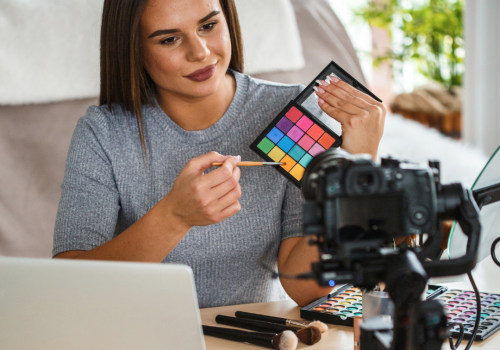
- Visual Storytelling: Use high-quality images and videos to showcase products in action. Tutorials and before-and-after transformations can be particularly compelling.
- User-Generated Content: Encourage customers to share their experiences with your products on social media. This not only builds community but also provides authentic testimonials.
- Educational Resources: Create blog posts or videos that educate your audience about beauty techniques, ingredient benefits, or product usage tips. This positions your brand as an authority in the beauty space.
Platforms like Instagram and TikTok are particularly effective for beauty brands due to their visual nature. Regularly posting engaging content tailored to these platforms can help maintain interest and foster a loyal following.Ultimately, a successful content strategy for beauty brands hinges on understanding the audience and delivering relevant, engaging content that not only attracts but also retains customers. By continuously analysing engagement metrics and feedback, brands can refine their strategies to better meet the evolving needs of their audience.
Leveraging Social Media for Audience Engagement
In the competitive landscape of the beauty industry, social media engagement has emerged as a pivotal strategy for brands aiming to connect with their target audience. Platforms such as Instagram, Facebook, and TikTok not only allow beauty brands to showcase their products but also facilitate direct interaction with consumers, fostering a sense of community and loyalty.To effectively reach their target audience through social media, beauty brands should consider the following strategies:- Identify the Right Platforms: Different demographics gravitate towards different social media platforms.
For instance, younger audiences may prefer TikTok and Instagram, while older consumers might be more active on Facebook. Understanding where your target audience spends their time is crucial.
- Create Engaging Content: High-quality visuals and engaging storytelling are essential in the beauty sector. Brands should focus on creating content that resonates with their audience, such as tutorials, behind-the-scenes looks, and user-generated content that showcases real customers using their products.
- Utilise Influencer Partnerships: Collaborating with influencers who align with your brand values can significantly enhance visibility. Influencers can authentically promote products to their followers, providing a trusted voice that can drive engagement and conversions.
- Encourage User Interaction: Brands should actively encourage comments, shares, and likes on their posts.
Running contests or asking questions can stimulate conversation and increase engagement rates.
- Monitor Analytics: Regularly reviewing social media analytics helps brands understand what content performs best. This data can inform future strategies and ensure that marketing efforts are aligned with audience preferences.
Measuring Success and Adjusting Strategies
Measuring the success of digital marketing for beauty brands is crucial for understanding the effectiveness of your strategies and ensuring that your efforts yield the desired results. By leveraging various analytics tools, brands can gain insights into customer behaviour, engagement levels, and overall campaign performance.Key Metrics to Track:
- Website Traffic: Monitor the number of visitors to your site, as well as their behaviour on the site, to identify which content resonates most with your audience.
- Conversion Rates: Track how many visitors complete desired actions, such as making a purchase or signing up for a newsletter.
This metric is vital for assessing the effectiveness of your calls to action.
- Social Media Engagement: Evaluate likes, shares, comments, and overall engagement on social media platforms to gauge how well your content is connecting with your audience.
- Email Open and Click Rates: For email marketing campaigns, these metrics help determine how compelling your subject lines and content are.
Adjusting Marketing Strategies:
Once you have gathered data, it’s essential to adjust your marketing strategies accordingly. Here are some steps to consider:
- A/B Testing: Experiment with different versions of ads or landing pages to see which performs better. This can help refine messaging and design.
- Audience Segmentation: Use analytics to segment your audience based on demographics or behaviour.
Tailoring content to specific segments can enhance engagement.
- Content Optimization: Based on performance data, update underperforming content or create new content that aligns with trending topics in the beauty industry.
FAQs About Identifying and Reaching Target Audiences in Digital Marketing
Identifying and reaching your target audience is crucial for the success of any digital marketing for beauty brands. Here are some frequently asked questions that can help clarify this process:- What methods can I use to identify my target audience?
To identify your target audience, consider using a combination of market research, customer surveys, and social media analytics. Tools like Google Analytics can provide insights into the demographics and behaviours of your website visitors. - How important is social media in reaching my target audience?
Social media platforms are essential for digital marketing, especially for beauty brands.They allow you to engage directly with your audience, showcase products, and gather feedback. Tailoring your content to the specific platforms where your audience spends their time can significantly enhance your reach.
- What role does content play in targeting audiences?
Content is a powerful tool in digital marketing. By creating valuable and relevant content that resonates with your target audience, you can attract and retain customers. Consider blog posts, tutorials, and user-generated content that highlight your products. - How can I measure the effectiveness of my audience targeting?
Utilise metrics such as engagement rates, conversion rates, and customer feedback to assess how well you are reaching your target audience.A/B testing different campaigns can also provide insights into what resonates best with your audience.