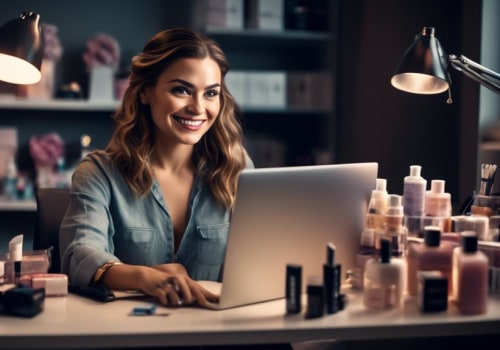
In the ever-evolving landscape of the beauty industry, digital marketing for beauty brands has emerged as a crucial component for success. With consumers increasingly turning to online platforms for their beauty needs, understanding how to effectively engage with them in this digital space is paramount. The rise of social media, influencer collaborations, and e-commerce has transformed the way beauty brands connect with their audience, making it essential to stay ahead of current beauty industry trends.Today’s consumers are not just passive recipients of marketing messages; they are active participants in the conversation. They seek authenticity, transparency, and engagement from brands they love.
This shift in consumer behaviour means that beauty brands must adapt their strategies to foster meaningful connections. By leveraging digital channels, brands can create immersive experiences that resonate with their target audience, driving loyalty and encouraging repeat purchases.Moreover, the importance of data analytics cannot be overstated in this digital age. Brands that harness insights from customer interactions can tailor their marketing efforts to meet the specific needs and preferences of their audience. This not only enhances customer satisfaction but also positions brands as leaders in a competitive market.
As we delve deeper into effective strategies for engaging customers through digital marketing, it is vital to recognise the foundational role that understanding the digital landscape plays in shaping these approaches.
Building a Strong Brand Presence Online
In the competitive landscape of digital marketing for beauty brands, establishing a strong online presence is essential for attracting and retaining customers. A well-optimised website serves as the cornerstone of your brand identity, providing a platform where potential customers can learn about your products and values.Website Optimisation
is crucial; ensure that your site is user-friendly, mobile-responsive, and fast-loading. Incorporate high-quality images and engaging content that reflects your brand's ethos. Use SEO best practices to enhance visibility on search engines, focusing on relevant keywords that resonate with your target audience.Social media platforms are invaluable tools for building your brand presence.Create profiles on popular networks such as Instagram, Facebook, and TikTok, where beauty enthusiasts frequently engage. Regularly post visually appealing content that showcases your products, tutorials, and behind-the-scenes glimpses of your brand. This not only fosters a sense of community but also encourages user-generated content, which can amplify your reach.
Consistent Branding
across all digital channels is vital. Your brand's voice, colour palette, and imagery should be uniform to create a cohesive identity.This consistency helps in building trust and recognition among consumers. Consider developing a style guide that outlines these elements to ensure all team members are aligned.Engagement with customers can be further enhanced through interactive content such as polls, quizzes, and live Q&A sessions on social media. These initiatives not only promote your products but also allow you to gather valuable feedback and insights from your audience.In summary, by focusing on website optimisation, leveraging social media effectively, and maintaining consistent branding, beauty brands can significantly enhance their online presence. This strategic approach not only attracts new customers but also fosters loyalty among existing ones.
Utilising Social Media Platforms Effectively
In the realm of digital marketing for beauty brands, social media platforms serve as powerful tools for engagement and brand loyalty.By effectively utilising these platforms, beauty brands can create meaningful connections with their audience.
Leveraging Instagram for Visual Storytelling
Instagram is a visual-centric platform that allows beauty brands to showcase their products through stunning imagery and videos. Here are some strategies:- High-Quality Visuals: Invest in professional photography to highlight product features and benefits. Use vibrant colours and appealing aesthetics to attract attention.
- Instagram Stories: Utilise Stories for behind-the-scenes content, product launches, or customer testimonials. This ephemeral content can create urgency and excitement.
- User-Generated Content: Encourage customers to share their experiences with your products by creating a unique hashtag.
Reposting this content not only builds community but also acts as authentic endorsements.
Engaging on Facebook
Facebook remains a vital platform for beauty brands, offering diverse ways to connect with customers:- Targeted Ads: Use Facebook’s robust advertising tools to reach specific demographics. Tailor your ads based on interests, behaviours, and location to maximise engagement.
- Live Sessions: Host live Q&A sessions or tutorials to interact directly with your audience. This real-time engagement fosters a sense of community and trust.
- Facebook Groups: Create or participate in groups related to beauty topics. This allows for deeper discussions and helps position your brand as an authority in the industry.
The key lies in understanding the unique features of each platform and tailoring content accordingly to resonate with the target audience.
Content Marketing Strategies for Beauty Brands
In the competitive landscape of digital marketing for beauty brands, content marketing emerges as a vital strategy for engaging customers and fostering brand loyalty. By creating valuable and relevant content, beauty brands can connect with their audience on a deeper level, ultimately driving sales and enhancing customer relationships.Blog Posts for Beauty Brands
- Blogging allows beauty brands to share their expertise, trends, and product insights. Regularly updated blogs can position a brand as an authority in the beauty industry.
- Topics can range from skincare routines to makeup tips, catering to various customer needs and interests. This not only attracts new visitors but also keeps existing customers engaged.
- Incorporating SEO best practices into blog posts ensures that content is discoverable, driving organic traffic to the brand's website.
Tutorials and How-To Guides
- Creating detailed tutorials helps customers understand how to use products effectively.
This can include step-by-step guides for makeup application or skincare routines.
- By providing practical advice, brands can enhance the customer experience, making it more likely that customers will return for future purchases.
- These guides can be shared across social media platforms, increasing reach and engagement.
Video Content in Beauty Marketing
- Video content is particularly effective in the beauty industry, as it allows brands to showcase products in action. Tutorials, product reviews, and behind-the-scenes footage can captivate audiences.
- Platforms like YouTube and Instagram are ideal for sharing video content, enabling brands to reach a wider audience while engaging with customers through comments and shares.
- Live streaming events or Q&A sessions can further enhance interaction, allowing customers to engage directly with brand representatives.
Email Marketing: Personalisation and Engagement
Email marketing is a powerful tool for beauty brands looking to engage with their customers on a personal level. By leveraging personalised email campaigns, brands can create tailored experiences that resonate with individual preferences and behaviours.One effective strategy is to segment your email list based on customer data.This allows you to send targeted messages that cater to specific interests, such as skincare, makeup, or haircare. For instance, a customer who frequently purchases skincare products may appreciate receiving emails featuring new arrivals in that category or exclusive discounts on their favourite items.Additionally, incorporating customer retention strategies into your email marketing can significantly enhance engagement. Here are some tactics to consider:
- Welcome Series: Initiate a series of welcome emails for new subscribers, introducing them to your brand story, values, and best-selling products.
- Birthday Discounts: Send personalised birthday emails offering special discounts or gifts, making customers feel valued and appreciated.
- Loyalty Program Updates: Regularly inform customers about their loyalty points and how they can redeem them, encouraging repeat purchases.
- Product Recommendations: Use data analytics to suggest products based on previous purchases or browsing history, enhancing the shopping experience.
By consistently delivering relevant and engaging content through email marketing, beauty brands can cultivate loyalty and drive conversions effectively.
Leveraging User-Generated Content (UGC)
In the realm of digital marketing for beauty brands, leveraging user-generated content (UGC) has emerged as a powerful strategy to foster trust and build a vibrant community around your brand. UGC encompasses any content created by customers, including reviews, testimonials, photos, and videos showcasing their experiences with your products. This authentic representation not only enhances brand visibility but also cultivates a sense of belonging among consumers.Encouraging User-Generated Content
- Social Media Campaigns: Launch campaigns that encourage customers to share their experiences on platforms like Instagram or TikTok. Use specific hashtags related to your brand to track submissions and create a sense of community.
- Contests and Giveaways: Organise contests where customers can submit their content for a chance to win products.
This not only incentivises participation but also generates excitement around your brand.
- Feature Customer Stories: Regularly highlight customer testimonials and stories on your website and social media channels. This not only showcases real-life results but also makes customers feel valued.
The Impact of UGC on Brand Trust
When potential customers see real people using and enjoying your products, it significantly boosts their confidence in your brand. According to studies, consumers are more likely to trust peer recommendations over traditional advertising. By showcasing UGC, beauty brands can effectively demonstrate the efficacy of their products through relatable experiences.
Enhancing Brand Visibility
Incorporating UGC into your marketing strategy can also enhance your brand's visibility.
When customers share their content, they are essentially promoting your brand to their followers, expanding your reach organically. This not only attracts new customers but also reinforces loyalty among existing ones.In conclusion, embracing user-generated content is an invaluable tactic in digital marketing for beauty brands. By encouraging customers to share their experiences, brands can build trust, foster community, and enhance visibility in an increasingly competitive market.
Implementing Loyalty Programs and Incentives
In the competitive landscape of digital marketing for beauty brands, implementing effective loyalty programs and customer incentives can significantly enhance engagement and retention. These strategies not only reward customers for their loyalty but also create a sense of community around the brand.Loyalty Programs
- Points-Based Systems: Customers earn points for every purchase, which can be redeemed for discounts or free products.
This encourages repeat purchases and increases customer lifetime value.
- Tiered Rewards: Create different levels of loyalty that offer increasing benefits. For example, customers who reach a certain spending threshold could unlock exclusive products or early access to sales.
- Referral Bonuses: Encourage existing customers to refer friends by offering them both rewards when a new customer makes a purchase. This not only boosts sales but also expands your customer base.
Customer Incentives
- Exclusive Offers: Provide special discounts or promotions to loyalty program members. This can include birthday discounts or seasonal offers that make customers feel valued.
- Personalised Recommendations: Use customer data to tailor product suggestions based on previous purchases.
This personal touch can enhance the shopping experience and encourage additional purchases.
- Engagement through Social Media: Encourage customers to share their experiences on social media in exchange for rewards. User-generated content not only promotes your brand but also fosters a community feel.
Utilising Data Analytics to Understand Customer Behaviour
In the realm of digital marketing for beauty brands, leveraging data analytics is crucial for understanding customer behaviour and preferences. By analysing data, beauty brands can gain insights into what resonates with their audience, allowing for more targeted and effective marketing strategies.Understanding Customer Preferences
- Utilising tools like Google Analytics can help brands track user interactions on their websites, revealing which products are most popular and how customers navigate through the site. Utilising tools like Google Analytics can help brands track user interactions on their websites, revealing which products are most popular and how customers navigate through the site.
- Social media platforms also provide valuable analytics that can inform brands about customer engagement levels, preferred content types, and demographic information.
Techniques for Data Analysis
- Segmentation: By segmenting customers based on their purchasing behaviour, beauty brands can tailor their marketing messages to specific groups, enhancing relevance and engagement.
- A/B Testing: Implementing A/B tests on email campaigns or social media ads allows brands to determine which messages or visuals resonate best with their audience.
- Customer Feedback: Collecting and analysing customer feedback through surveys or reviews can provide direct insights into customer satisfaction and areas for improvement.
Improving Engagement Through Data
Once data is collected and analysed, beauty brands can implement strategies to improve customer engagement:
- Personalisation: Using data to create personalised marketing experiences, such as tailored product recommendations or customised email content, can significantly enhance customer loyalty.
- Targeted Promotions: Brands can use insights from data analytics to design promotions that appeal to specific customer segments, increasing the likelihood of conversion.
- Content Strategy: Understanding what content drives engagement allows brands to focus on creating high-quality, relevant content that speaks directly to their audience's interests.
Engaging Customers Through Online Events and Webinars
In the realm of digital marketing for beauty brands, hosting online events and webinars has emerged as a powerful strategy to foster customer engagement.These interactive experiences not only allow brands to showcase their products but also create a community around shared interests in beauty and wellness.
Online events
can take various forms, from live tutorials and Q&A sessions to product launches and panel discussions featuring industry experts. By leveraging platforms like Zoom, Instagram Live, or Facebook Events, beauty brands can reach a wider audience while providing valuable content that resonates with their customers.Benefits of Hosting Webinars
- Direct Interaction: Webinars facilitate real-time communication between brands and customers, allowing participants to ask questions and receive immediate feedback.
- Educational Content: By offering expert insights and tips, beauty brands can position themselves as thought leaders in the industry, enhancing their credibility.
- Product Demonstrations: Live demonstrations of products in action can significantly boost interest and drive sales, as customers see the benefits firsthand.
- Promote Ahead of Time: Use social media, email newsletters, and your website to create buzz around upcoming events. This not only increases attendance but also builds anticipation.
- Incorporate Interactive Elements: Polls, quizzes, and giveaways during the event can keep participants engaged and encourage them to share their experiences on social media.
- Follow Up: After the event, send thank-you emails with links to recorded sessions or additional resources. This keeps the conversation going and encourages future engagement.
[FAQs] Common Questions About Digital Marketing for Beauty Brands
In the ever-evolving landscape of digital marketing for beauty brands, understanding customer engagement is crucial.Here are some common questions that arise regarding effective strategies:
What are the best platforms for engaging beauty customers?
Beauty brands should focus on platforms where their target audience spends the most time.How can beauty brands use social media to connect with customers?
Social media offers numerous opportunities for engagement. Brands can:- Host live Q&A sessions to answer customer queries in real-time.
- Run interactive polls or quizzes to gather feedback and preferences.
- Create user-generated content campaigns, encouraging customers to share their experiences with products.
What role does influencer marketing play?
Influencer marketing is a powerful tool in the beauty industry.Collaborating with influencers who align with your brand values can enhance credibility and reach. Brands should look for micro-influencers who have a dedicated following, as they often yield higher engagement rates.
How important is email marketing for beauty brands?
Email marketing remains a vital component of digtial marketing for beauty brands. It allows for personalized communication, exclusive offers, and product launches directly to customers' inboxes. Segmenting your email list based on customer behaviour can significantly improve engagement rates.What metrics should beauty brands track?
To measure the effectiveness of their digital marketing efforts, beauty brands should track:- Engagement rates on social media posts.
- Email open and click-through rates.
- Website traffic, particularly from social media sources.
[Conclusion] Key Takeaways on Engaging Customers Through Digital Marketing
In summary, engaging customers through digital marketing for beauty brands is essential for building lasting relationships and driving sales.Throughout this article, we have explored various strategies that can significantly enhance customer interaction and brand loyalty. Here are the key takeaways:
- Personalisation: Tailoring content and offers to individual preferences can create a more meaningful connection with customers. Utilising data analytics to understand customer behaviour is crucial.
- Social Media Engagement: Platforms like Instagram and TikTok are vital for beauty brands. Regularly posting engaging content, responding to comments, and collaborating with influencers can amplify brand visibility.
- Email Marketing: Sending targeted email campaigns with exclusive offers or beauty tips can keep your audience informed and engaged. Segmenting your email list ensures that the right messages reach the right people.
- User-Generated Content: Encouraging customers to share their experiences with your products not only builds community but also serves as authentic testimonials that can influence potential buyers.
- Interactive Content: Quizzes, polls, and live Q&A sessions can foster engagement by inviting customers to participate actively in the brand experience.
The digital landscape is ever-evolving, and staying ahead of trends while maintaining a customer-centric approach will ensure sustained success in the competitive beauty market.